


Wobbly steps,
in little bodies
Your tiny explorer is now walking, talking, and testing boundaries (and your patience!). From nutrition to discipline, from potty training to emotional development, we’re here to help you make sense of these wonderfully chaotic years.

1. Nutrition & Self-Feeding Habits
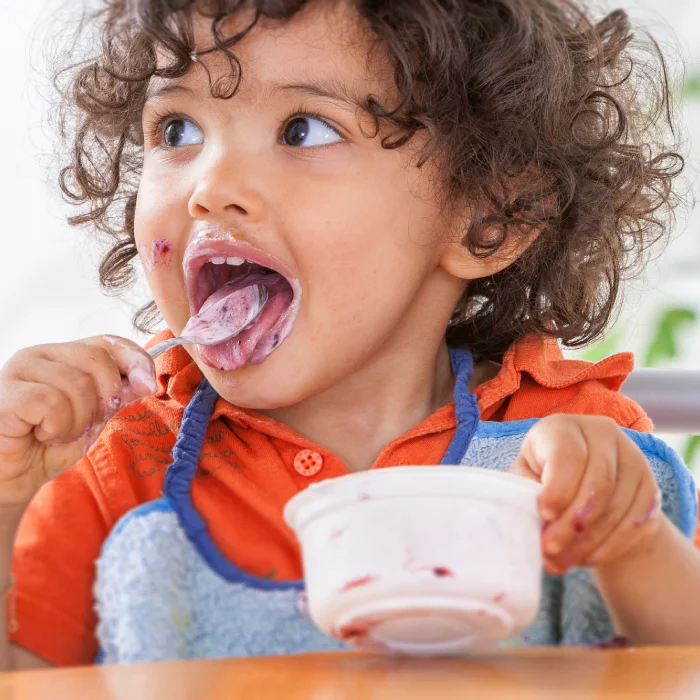
Toddlers develop strong food preferences and often want to
feed themselves.
- Serve small portions of nutritious family foods — soft chapatis, rice with veggies, fruits, eggs, and dals.
- Be patient with fussy eating — appetites can vary daily.
- Encourage self-feeding with child-friendly utensils to build confidence.
- Avoid choking hazards like whole grapes or hard nuts.
- Keep mealtime stress-free. Let them eat at their own pace, without pressure.
2. Sleep Patterns & Routines
Consistency helps toddlers rest better despite their growing independence.
- Toddlers need about 11–14 hours of sleep in 24 hours, including 1 or 2 daytime naps.
- Establish a calming nighttime routine — bath, book, cuddle, bed.
- Create a cozy, screen-free sleep space.
- Expect some night wakings due to dreams, teething, or separation anxiety.
- Stick to consistent sleep and wake-up timings even on weekends.

3. Developmental Milestones & Learning through Play
This is the stage of talking, running, climbing, and endless curiosity.
- Expect new skills like walking steadily, climbing stairs, throwing balls, and forming simple sentences.
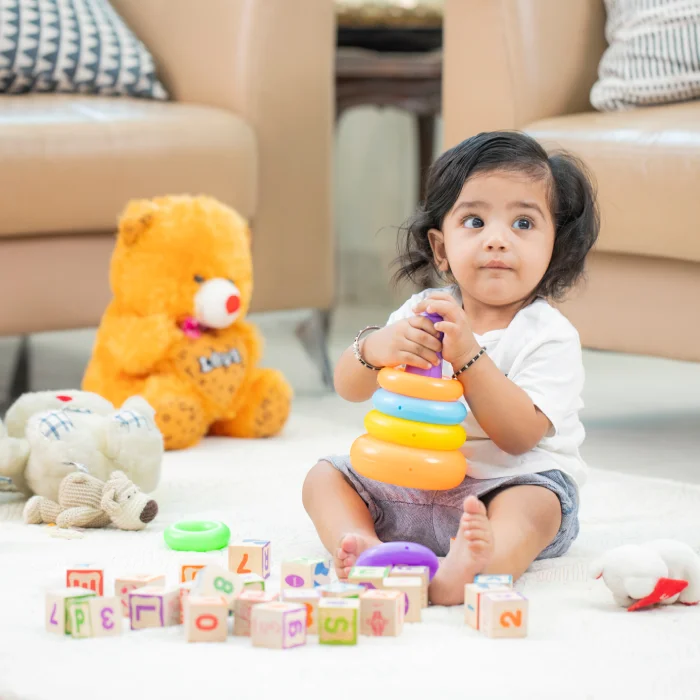
- Encourage free play with building blocks, pretend play, music, and story time.
- Talk to your toddler often — it fuels language growth.
- Let them safely explore their environment under supervision.
- Celebrate small wins — each “No!”, “Why?” and “I do it!” is a step toward independence.
4. Behaviour, Emotions & Social Skills
Big feelings come in little packages.
- Tantrums are normal, since toddlers are learning to express emotions. Stay calm and comforting.
- Set simple rules with consistency and kindness.
- Praise positive behaviours and gently correct inappropriate ones.
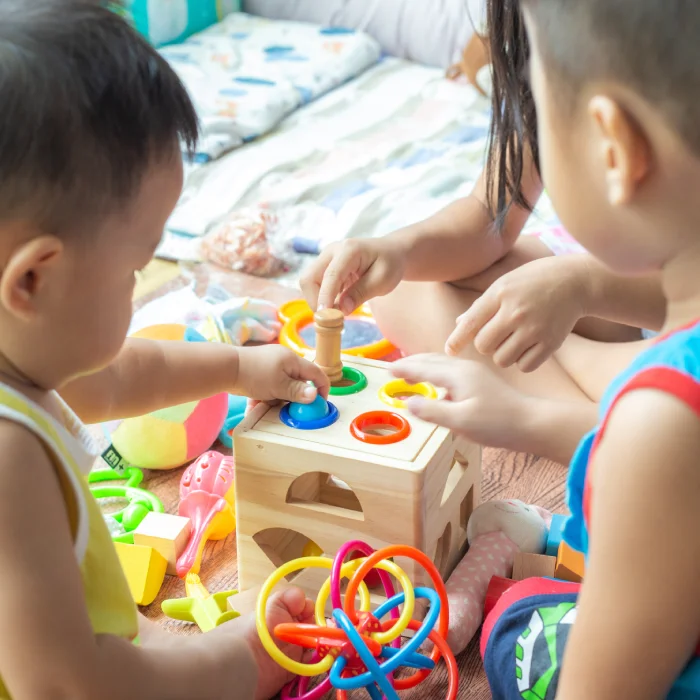
- Encourage playdates or group activities to develop sharing and empathy.
- Let them help with small tasks—it builds confidence and responsibility.
5. Hygiene, Potty Training & Self-Care Routines
Independence begins with daily habits.
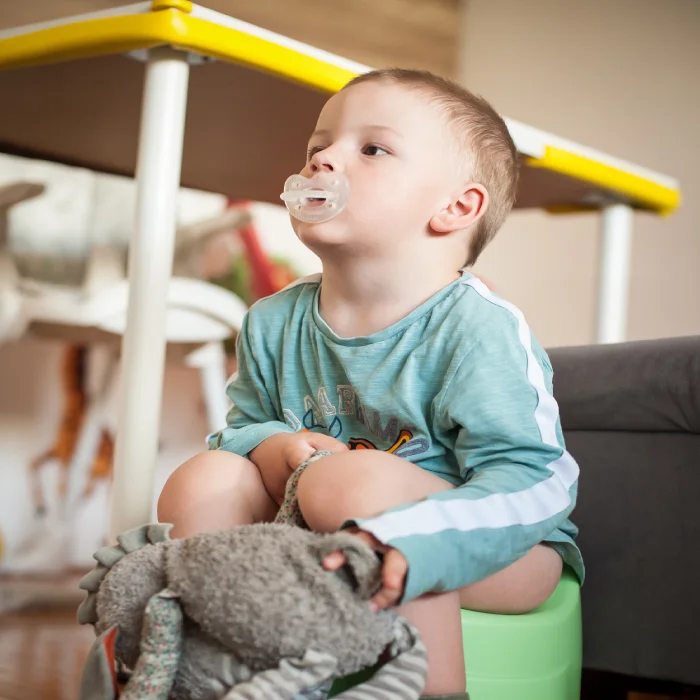
- Begin potty training when your child shows signs like staying dry for 2 hours or telling when they’ve gone.
- Use positive reinforcement—not pressure—for toilet learning.
- Teach handwashing before meals and after using the toilet.
- Brush their teeth twice a day with a child-safe toothbrush and paste.
- Encourage dressing, picking clothes, and tidying up—tiny steps toward self-reliance.